Orange County Turf Replacement Rebates: Maximizing Value with Native Landscaping
October 5, 20266 min readTulip Landcare Corporation
Understanding Orange County Turf Replacement Rebates
Water conservation has shifted from a seasonal suggestion to a permanent way of life across Southern California. In response, regional water authorities offer substantial financial incentives to homeowners willing to replace thirsty turf with sustainable, low-water alternatives. For Orange County homeowners, navigating these programs can significantly offset the cost of redesigning your front or backyard while lowering ongoing monthly utility bills.
The primary framework for lawn conversion incentives runs through the Metropolitan Water District of Southern California (MWD) via the SoCal Water$mart program, administered locally by the Municipal Water District of Orange County (MWDOC). In addition to base regional rebates, individual water agencies—such as Irvine Ranch Water District (IRWD), Moulton Niguel Water District (MNWD), and Anaheim Public Utilities—often layer on supplemental funding. Depending on your zip code, rebates typically range between $2.00 and $4.00 or more per square foot of removed turf, subject to annual funding caps.
Maximizing this investment requires more than simply scraping out grass and dropping down gravel. To gain approval and ensure your outdoor living space actually increases your property value, pairing rebate criteria with climate-appropriate California native landscaping is the most durable, attractive strategy available.
Core Requirements for Rebate Approval
Water districts enforce strict guidelines to ensure that rebates generate genuine, long-term water savings. Understanding these parameters before lifting a shovel is critical, as beginning work prematurely will instantly disqualify your project.
- Mandatory Pre-Approval: You must apply and receive written authorization before removing any turfgrass. Water agencies require baseline photographs showing an existing, living lawn or conditions demonstrating regular upkeep.
- Plant Coverage Minimums: Programs mandate that your converted area include living plants rather than wall-to-wall hardscape or artificial turf. Most regional programs require at least three to five drought-tolerant or native plants per 100 square feet, or a minimum canopy coverage of 50% to 75% at maturity.
- Efficient Irrigation Retrofits: Overhead spray heads targeting the rebate zone must be removed, capped, or converted to high-efficiency micro-spray or low-volume drip systems equipped with a pressure regulator and filter.
- Permeable Ground Cover: Walkways, seating areas, and borders inside the conversion zone must use permeable materials such as decomposed granite, permeable pavers, or loose flagstone that allow rainwater to infiltrate the water table.
- Stormwater Retention Features: Qualifying designs must incorporate a sustainable stormwater element, such as a bioswale, dry creek bed, rain garden, or berm designed to capture and hold precipitation on-site.
- Mulch Application: Exposed soil surfaces must be insulated with a three- to four-inch layer of organic mulch or crushed stone to regulate soil temperatures and retain moisture.
Why Native Landscaping Offers the Highest Return
While Mediterranean and desert plants meet basic rebate qualifications, California native plants provide distinct agronomic advantages across Orange County's varied microclimates. Coastal neighborhoods like Newport Beach, Dana Point, and Huntington Beach face heavy marine layers, damp morning fog, and dense coastal clay soils. Inland communities such as Lake Forest, Mission Viejo, and Anaheim Hills experience severe summer heat and drying winds.
California native plants have evolved over centuries to thrive in this exact seasonal rhythm: wet, cool winters and long, rainless summers.
Superior Drought Resilience
Once established, true California native plants survive on natural seasonal rainfall combined with minimal supplemental irrigation. While non-native "drought-tolerant" exotics often show stress during prolonged inland heatwaves, local natives like White Sage (Salvia apiana), Deer Grass (Muhlenbergia rigens), and California Lilac (Ceanothus) maintain their foliage and root strength with ease.
Elimination of Soil Amendments and Fertilizers
Turf grass demands routine applications of synthetic nitrogen, aerating, and soil conditioning. California native species naturally prefer nutrient-lean, well-draining soils. Introducing heavy chemical fertilizers can actually shorten the lifespan of native species by accelerating unnatural growth and attracting garden pests. Choosing natives eliminates ongoing chemical inputs and significantly reduces monthly yard maintenance expenses.
Microclimate Adaptation Across Orange County
A successful native planting palette reflects your specific sub-region:
- Coastal Belts (Corona del Mar, Laguna Niguel, San Clemente): Coastal Sage Scrub varieties such as Island Snapdragon, Coast Buckwheat, and Manzanita (Arctostaphylos) handle salt-laden air and summer marine cloud cover without developing root rot.
- Inland Valleys (Irvine, Ladera Ranch, Rancho Santa Margarita): Valley and chaparral species such as Toyon (Heteromeles arbutifolia), California Fuchsia (Epilobium canum), and Apricot Mallow thrive under intense direct sunlight and wide daily temperature swings.
Integrating Hardscapes and Sustainable Elements
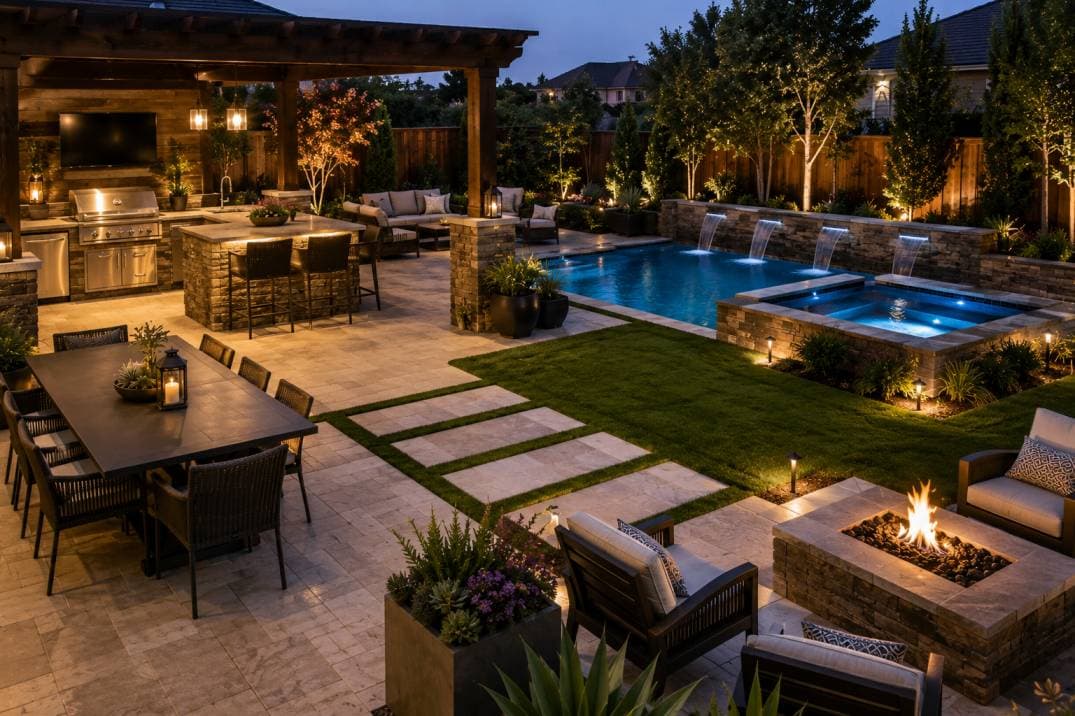
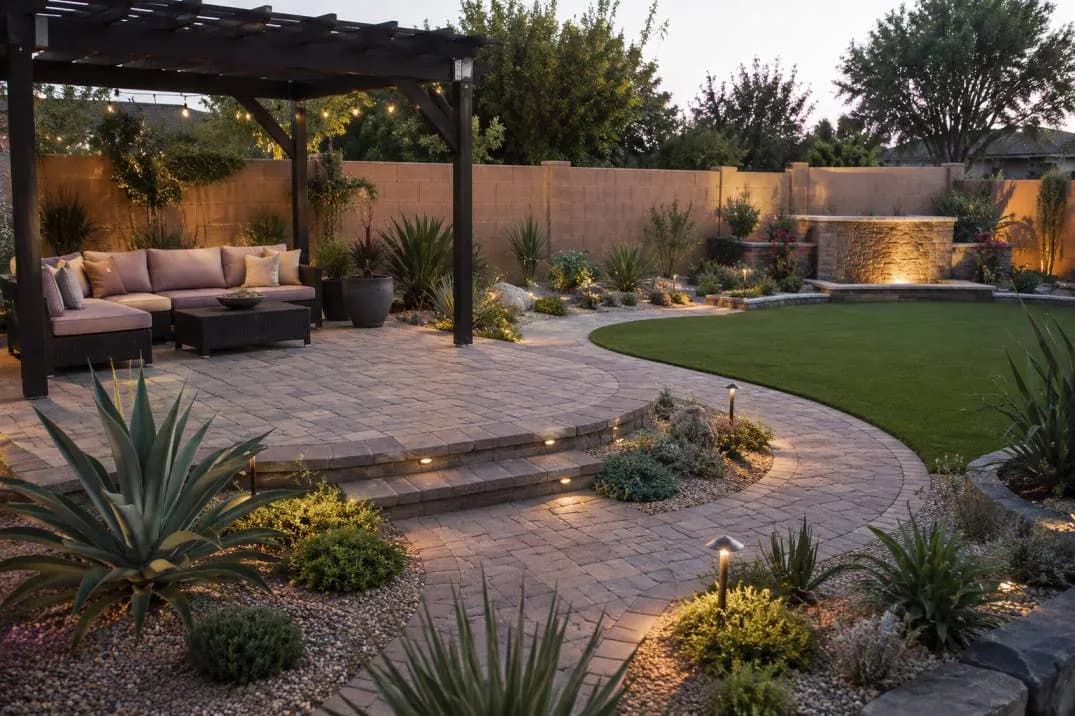
Turf replacement is an opportunity to reclaim underutilized yard space and establish outdoor living zones. Homeowners are often surprised to learn that functional hardscaping can be combined with native plants inside a rebate footprint, provided materials remain permeable.
A decomposed granite patio bordered by native ornamental grasses creates a natural entertaining space for fire features or casual seating. Dry riverbeds composed of local river rock and small boulders satisfy rebate stormwater capture mandates while serving as an attractive visual centerpiece that channels seasonal runoff away from your home's foundation.
For properties governed by a homeowners association in master-planned communities like Aliso Viejo or Irvine, architectural review committees must comply with California Civil Code Section 4735. This state legislation prohibits HOAs from banning drought-tolerant landscaping or penalizing homeowners who remove turf during declared drought conditions. Submitting a clear, detailed design plan showing organized plant massings, clean borders, and premium stone elements ensures smooth architectural committee approval.
Steps to Complete Your Conversion Successfully
Executing a rebate-eligible transformation involves clear logistical steps to ensure your rebate check arrives without delays:
- Measure the Area: Accurately calculate the square footage of the live turf you intend to replace. Clear measurements prevent funding discrepancies during the application review.
- Take Baseline Photos: Capture wide-angle images showing the complete lawn area, irrigation heads, and the surrounding structures from multiple perspectives.
- Submit the Pre-Approval Application: File your project through the appropriate regional portal (such as BeWaterWise.com) and wait for the official "Notice to Proceed" before disturbing any turf.
- Execute Turf Removal and Grading: Use mechanical sod removal, sheet mulching, or excavation to clear the existing lawn and root bed. Grade the terrain to incorporate swales, berms, or retention basins.
- Retrofit Irrigation: Convert overhead spray lines to low-flow inline drip systems zoned specifically for native root profiles.
- Plant and Mulch: Space plantings according to their mature dimensions, apply organic or mineral mulch at least three inches deep, and keep mulch several inches clear of woody plant crowns.
- Submit Post-Project Documentation: Upload finished photos showing the completed plants, irrigation conversion, stormwater features, and final mulch layer to trigger the field inspection and payment release.
FAQs
Can my HOA fine me for replacing grass with native plants?
No. California Civil Code Section 4735 explicitly restricts homeowners associations from prohibiting low-water landscaping or penalizing owners for replacing lawns with drought-tolerant plantings. However, HOAs retain the right to enforce reasonable aesthetic architectural guidelines, meaning you should still submit a formal landscape plan for review before beginning construction.
How long does the rebate approval and payment process take?
Initial pre-approval typically takes two to four weeks after submitting your application with required photos. Once you receive your "Notice to Proceed," most agencies grant 60 to 120 days to complete construction. After finishing the installation and submitting post-project documentation, final review and check delivery generally take an additional six to ten weeks.
Do I have to eliminate all grass to qualify for the program?
No, you are not required to convert your entire property. You can target specific zones, such as a front yard, parkway strip, or a disconnected portion of a back lawn, provided the area meets the program's minimum size requirement (often at least 250 contiguous square feet of living grass).
Transforming an outdated, water-intensive lawn into a functional, native-planted retreat enhances your property's value while capturing thousands in regional rebates. Contact the team at Tulip Landcare Corp today at (949) 929-0697 to schedule a free estimate and design consultation for your turf replacement project.
Planning a project like this?
We’ll walk your property and put real numbers to the plan — free, with no obligation.